


What Exactly Is A Flat Roof?
TL;DR – Key Points:
- Flat roofs aren’t actually flat – they have slight slopes (1/4″ to 1/2″ per foot) for drainage
- Common on commercial buildings – ideal for large structures, equipment placement, and cost efficiency
- Multiple material options – TPO, EPDM, PVC, Modified Bitumen, and Built-Up systems each offer unique benefits
- Advantages include – space efficiency, easier maintenance access, cost-effectiveness, and design flexibility
- Professional installation crucial – drainage, membrane selection, and proper installation determine long-term performance
- Regular maintenance essential – prevents costly repairs and extends roof lifespan significantly
- Energy efficiency potential – reflective systems can reduce cooling costs by 10-40%
A flat roof is a horizontal or nearly horizontal roofing system commonly used on commercial buildings, industrial facilities, and some residential structures. Despite the name “flat,” these roofs actually have a slight slope to facilitate proper drainage and prevent water accumulation. At The Flat Roof Specialists, we’ve been educating customers about flat roofing systems throughout North Carolina, South Carolina, Tennessee, Georgia, and Virginia for over 24 years, helping them understand the benefits, applications, and maintenance requirements of these versatile roofing solutions.
With over 100 five-star reviews and extensive experience as certified and experienced commercial and residential roofing experts, we understand that many property owners have questions about flat roof systems. We specialize in commercial flat roofing installation, repair, and maintenance, and also offer top-quality residential roofing services, especially if your home has a flat roof. We proudly serve Raleigh, Durham, Chapel Hill, Burlington, Greensboro, High Point, and Winston-Salem, along with customers throughout our multi-state service area.
Understanding Flat Roof Design and Structure
Flat roofs are engineered systems designed to provide weatherproof protection while accommodating the unique requirements of low-slope applications. Understanding the basic design principles helps property owners appreciate the complexity and benefits of these roofing systems.

The “Flat” Roof Misconception
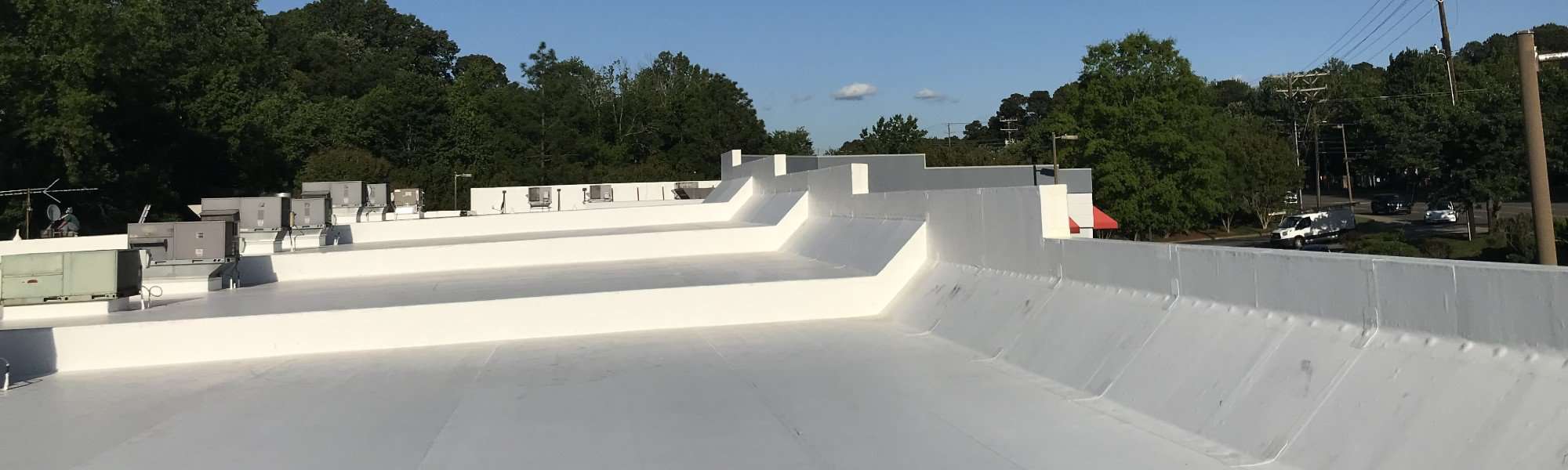
Despite being called “flat,” these roofs are not actually completely level. They typically have a slight slope ranging from 1/4 inch to 1/2 inch per foot (approximately 1-4 degrees) to facilitate proper drainage. This minimal slope is often imperceptible to the casual observer but is critical for roof performance and longevity.
The slight slope ensures that rainwater flows toward drainage points rather than pooling on the roof surface. Standing water, or “ponding,” can accelerate membrane deterioration and create stress on the roof structure. Our experience serving customers from Greensboro to Winston-Salem has shown us how proper drainage design is essential for flat roof performance in various climate conditions.
At The Flat Roof Specialists, we understand the critical importance of proper slope design and ensure that all our installations include adequate drainage to prevent water-related problems. Our 24+ years of experience have taught us that even small drainage issues can lead to significant problems if not addressed properly.
Structural Components
Flat roof systems consist of several integrated components working together to provide protection and performance. The roof deck provides the structural foundation, typically made of concrete, steel, or wood depending on the building type and requirements.
Above the deck, insulation layers provide thermal protection and may contribute to the roof’s slope for drainage. Vapor barriers prevent moisture infiltration from the building interior, while the membrane system provides the primary waterproof barrier.
Understanding these components helps property owners appreciate why professional installation and maintenance are essential for optimal flat roof performance. Each component must be properly selected, installed, and maintained to ensure system integrity and longevity.
Types of Flat Roof Systems
Several flat roof system types are available, each offering distinct advantages and suited for different applications. Understanding these options helps property owners select the most appropriate system for their specific needs and requirements.

Single-Ply Membrane Systems
Single-ply membranes are among the most popular flat roof options due to their durability, energy efficiency, and installation flexibility. These systems use large membrane sheets that cover the roof surface with minimal seams, reducing potential leak points.
TPO (Thermoplastic Polyolefin) roofing has gained significant popularity due to its excellent balance of performance and cost-effectiveness. The white reflective surface provides energy efficiency benefits particularly valuable in warm climates like those we serve across our multi-state region.
EPDM (Ethylene Propylene Diene Monomer) rubber roofing offers proven reliability and longevity, with many installations exceeding their expected lifespans when properly maintained. This synthetic rubber membrane provides excellent weather resistance and flexibility.
PVC (Polyvinyl Chloride) roofing represents the premium end of single-ply systems, offering superior chemical resistance and durability. PVC is particularly suitable for buildings with grease-producing equipment or industrial applications where chemical resistance is important.
Our experience installing and maintaining flat roofs throughout High Point and Durham has given us expertise with all major single-ply systems. We can help customers select the most appropriate option based on their specific building requirements and performance goals.
Multi-Ply Systems
Multi-ply systems include built-up roofing (BUR) and modified bitumen systems that use multiple layers to create redundant waterproofing. These traditional systems remain viable options for many applications.
Built-up roofing systems consist of multiple layers of asphalt and reinforcing materials, typically topped with gravel or other protective surfacing. While newer membrane systems have gained popularity, BUR systems continue to provide reliable protection for many commercial applications.
Modified bitumen systems combine asphalt with rubber or plastic modifiers to create flexible, durable membranes. These systems can be installed using various methods and provide excellent puncture resistance and weather protection.
The Flat Roof Specialists maintain expertise in both traditional and modern flat roof systems. Our comprehensive knowledge allows us to recommend the most appropriate system for each specific application and provide quality installation regardless of the system selected.
Advantages of Flat Roof Systems
Flat roofs offer numerous advantages that make them particularly attractive for commercial applications and certain residential uses. Understanding these benefits helps property owners appreciate why flat roofs are often the optimal choice for their buildings.

Space Efficiency and Utilization
One of the primary advantages of flat roofs is their efficient use of available space. Unlike sloped roofs that create unusable attic areas, flat roofs maximize building interior space while providing opportunities for rooftop equipment placement and potential future expansion.
HVAC equipment, solar panels, and other building systems can be easily installed on flat roof surfaces, keeping them out of sight while maintaining accessibility for maintenance. This equipment placement flexibility is particularly valuable for commercial buildings where mechanical systems are substantial.
Some flat roofs can even accommodate rooftop gardens, recreational areas, or additional usable space, providing additional value and functionality. Our experience with commercial installations throughout Burlington and Chapel Hill has shown us how flat roofs can maximize both interior and rooftop space utilization.
Cost-Effectiveness
Flat roofs typically require less material and labor compared to complex sloped roofing systems, making them cost-effective choices for many applications. The simplified installation process and reduced material requirements can result in significant cost savings.
Maintenance costs are often lower for flat roofs due to easier access and simplified system designs. Technicians can more easily and safely access flat roof surfaces for inspections, maintenance, and repairs compared to steeply sloped roofs.
The energy efficiency potential of modern flat roof systems can also provide long-term cost savings through reduced heating and cooling costs. Reflective membrane systems can significantly reduce cooling loads in warm climates.
Design Flexibility
Flat roofs provide architects and designers with greater flexibility in building design and layout. The absence of sloped roof constraints allows for more creative building shapes and configurations.
Interior ceiling heights can be consistent throughout the building, providing more usable space and design flexibility. This consistency is particularly valuable for commercial applications where open floor plans and flexible space usage are important.
Future building modifications and expansions are often easier with flat roof systems, as the roof structure can more easily accommodate changes without major structural modifications.
Common Applications and Building Types
Flat roofs are used on various building types, each taking advantage of the specific benefits these systems provide. Understanding typical applications helps property owners determine whether flat roofing is appropriate for their projects.

Commercial and Industrial Buildings
Commercial buildings are the most common application for flat roof systems due to their large floor areas, equipment placement requirements, and cost considerations. Office buildings, retail centers, warehouses, and manufacturing facilities frequently use flat roof systems.
Industrial buildings particularly benefit from flat roofs due to the ability to support heavy equipment loads and accommodate complex mechanical systems. The roof space can house large HVAC units, process equipment, and utility systems while maintaining accessibility for maintenance.
Our commercial flat roofing installation, repair, and maintenance services throughout North Carolina, South Carolina, Tennessee, Georgia, and Virginia include extensive experience with industrial applications. We understand the unique requirements of industrial buildings and can design systems that accommodate heavy equipment loads and specialized applications.
Residential Applications
While less common than on commercial buildings, residential flat roofs are used on modern homes, townhouses, and multi-family buildings. These applications often emphasize contemporary design aesthetics and space efficiency.
Urban residential developments may use flat roofs to maximize lot utilization and create rooftop amenities such as decks, gardens, or recreational areas. These applications require careful attention to waterproofing and drainage to ensure long-term performance.
We offer top-quality residential roofing services, especially if your home has a flat roof. Our residential expertise ensures that homeowners receive the same level of professional service and quality materials that we provide to our commercial customers.
Specialized Applications
Certain building types have specific requirements that make flat roofs particularly suitable. Schools, hospitals, and government buildings often use flat roof systems due to their cost-effectiveness and ability to accommodate extensive mechanical systems.
Clean room facilities, laboratories, and other specialized buildings may require flat roofs to accommodate unique ventilation and filtration systems. These applications often have stringent performance requirements that professional installation and maintenance help ensure.
Our experience serving customers from Raleigh to Winston-Salem includes various specialized applications. We understand the unique requirements of different building types and can provide appropriate solutions for specialized needs.
Drainage Systems and Water Management
Proper drainage is perhaps the most critical aspect of flat roof performance. Understanding drainage principles and systems helps property owners appreciate the importance of professional design and maintenance.

Drainage Design Principles
Effective flat roof drainage requires careful planning and design to ensure that water flows efficiently from the roof surface to drainage points. The roof must have adequate slope toward drains, and drainage capacity must be sufficient for expected rainfall volumes.
Primary drainage systems handle normal rainfall conditions, while emergency overflow systems provide backup protection during extreme weather events. Both systems must be properly designed and maintained to ensure reliable performance.
Drainage design must also consider roof equipment, parapets, and other features that could interfere with water flow. Professional design ensures that all factors are considered and that drainage systems provide reliable performance throughout the roof’s service life.
Drainage System Types
Internal drains are commonly used on commercial flat roofs, collecting water from low points and channeling it through internal piping systems. These drains must be properly sized and positioned to handle design rainfall volumes effectively.
Scuppers and gutters provide alternative drainage methods, particularly for buildings where internal drainage is not feasible. These systems direct water to building edges where it can be collected and directed away from the building foundation.
Our drainage system expertise includes design, installation, and maintenance of all drainage types. We understand how different systems perform in various applications and can recommend the most appropriate drainage approach for specific buildings and conditions.
Maintenance Requirements
Drainage system maintenance is essential for flat roof performance and longevity. Blocked drains can quickly lead to ponding water and potential roof damage, making regular maintenance critical.
Debris removal, drain cleaning, and inspection of drainage components should be performed regularly to ensure continued performance. Our maintenance programs include comprehensive drainage system care that helps prevent water-related problems.
Early detection and correction of drainage issues prevent minor problems from becoming major repairs. Professional maintenance programs help ensure that drainage systems continue to protect your investment throughout the roof’s service life.
Energy Efficiency and Environmental Benefits
Modern flat roof systems offer significant energy efficiency potential and environmental benefits that can provide long-term value for property owners. Understanding these benefits helps justify investments in quality systems and professional installation.

Reflective Roofing Systems
Cool roofing technologies, particularly white or light-colored membranes, reflect solar radiation and reduce heat absorption. This reflection can significantly reduce cooling loads and energy costs, particularly in warm climates like those throughout our service areas.
Energy savings from reflective roofing systems can range from 10% to 40% of cooling costs, depending on building type, climate conditions, and system characteristics. These savings can provide attractive returns on investment over the roof’s service life.
Many reflective roofing systems qualify for energy efficiency rebates and incentives that can help offset initial installation costs. Our team stays current with available incentive programs and can help customers maximize these opportunities.
Insulation and Thermal Performance
Proper insulation is critical for flat roof energy performance and helps prevent both heat loss in winter and heat gain in summer. Modern insulation materials and installation techniques can significantly improve building energy efficiency.
Continuous insulation installation helps eliminate thermal bridging and provides superior thermal performance compared to traditional installation methods. This improved performance can reduce both heating and cooling costs while improving indoor comfort.
Our installation practices include attention to thermal performance optimization and proper insulation installation. We understand how insulation affects both energy performance and moisture management in flat roof systems.
Environmental Considerations
Flat roofs can accommodate various environmental initiatives including solar panel installations, green roof systems, and rainwater collection. These applications provide environmental benefits while potentially reducing operating costs.
Many flat roof membrane materials are recyclable at the end of their service life, contributing to sustainable building practices. Some systems also incorporate recycled content, further enhancing their environmental benefits.
The longevity of properly installed and maintained flat roof systems also provides environmental benefits by reducing the frequency of roof replacements and associated material consumption.
Installation Process and Professional Requirements
Flat roof installation requires specialized knowledge, equipment, and techniques that distinguish professional installation from amateur attempts. Understanding the installation process helps property owners appreciate the value of professional services.

Preparation and Planning
Successful flat roof installation begins with thorough planning and preparation. This includes structural evaluation, drainage design, material selection, and coordination of installation sequences.
Substrate preparation is critical for membrane adhesion and long-term performance. Surfaces must be clean, dry, and properly prepared according to manufacturer specifications and industry standards.
Weather conditions significantly impact installation quality and scheduling. Professional contractors understand weather requirements and plan installations to ensure optimal conditions for material application and curing.
Installation Techniques
Different flat roof systems require specific installation techniques and specialized equipment. Membrane welding, adhesive application, and mechanical fastening all require training and experience to execute properly.
Quality control throughout the installation process ensures that workmanship meets industry standards and manufacturer requirements. Professional contractors implement quality control procedures that identify and correct issues during installation.
Our certified and experienced commercial and residential roofing experts understand the installation requirements for all major flat roof systems. Our 24+ years of experience ensure that installations meet the highest quality standards and provide optimal long-term performance.
Safety and Compliance
Flat roof installation involves significant safety risks that require proper training, equipment, and procedures. Professional contractors maintain safety programs and carry appropriate insurance to protect both workers and property owners.
Building code compliance is essential for legal installation and optimal performance. Professional contractors understand local codes and ensure that installations meet all applicable requirements.
Manufacturer warranties typically require professional installation by certified contractors. Working with qualified professionals protects warranty coverage and ensures that installations meet manufacturer specifications.
Maintenance and Lifecycle Management
Regular maintenance is essential for maximizing flat roof performance and longevity. Understanding maintenance requirements helps property owners plan for ongoing care and budget for lifecycle costs.

Preventive Maintenance Programs
Systematic preventive maintenance programs help identify and address minor issues before they become major problems. These programs typically include regular inspections, cleaning, and minor repairs as needed.
Drainage system maintenance is particularly critical for flat roofs, as blocked drains can quickly lead to water damage and roof deterioration. Regular drain cleaning and inspection help ensure continued performance.
Our maintenance programs are customized for specific roof systems and building requirements. We provide comprehensive care that includes inspection, cleaning, minor repairs, and documentation of roof condition over time.
Common Maintenance Issues
Understanding common flat roof maintenance issues helps property owners recognize problems early and arrange for appropriate repairs. Membrane damage, seam separation, and drainage problems are among the most frequent issues requiring attention.
Ponding water is a serious concern that requires prompt attention to prevent membrane deterioration and structural problems. Professional assessment can determine appropriate solutions for drainage issues.
Equipment damage from HVAC maintenance or other rooftop activities can create leak points that require immediate repair. Regular inspection helps identify these issues before they cause interior damage.
Professional vs. DIY Maintenance
While property owners can perform some basic maintenance tasks such as keeping drains clear of debris, most flat roof maintenance requires professional expertise and equipment.
Membrane repairs, seam maintenance, and drainage modifications require specialized knowledge and materials that professional contractors provide. Improper DIY repairs can often make problems worse and void warranty coverage.
Our maintenance services include both routine care and specialized repairs that keep flat roof systems performing optimally. Professional maintenance typically provides better results and can be more cost-effective than attempting DIY repairs.
Cost Considerations and Value
Understanding the costs associated with flat roof systems helps property owners make informed decisions and budget appropriately for both initial installation and ongoing maintenance.

Initial Installation Costs
Flat roof installation costs vary significantly based on system type, building characteristics, and project complexity. Simple systems on straightforward buildings typically cost less than complex installations or premium systems.
While initial costs are important, evaluating lifecycle costs provides a more complete picture of system value. Systems with higher upfront costs may provide better long-term value through reduced maintenance costs, longer service life, or energy savings.
Our transparent pricing helps customers understand both initial costs and long-term value propositions for different system options. We provide detailed estimates that allow for informed decision-making.
Operating and Maintenance Costs
Ongoing maintenance costs are an important consideration for flat roof ownership. Regular professional maintenance typically costs much less than emergency repairs or premature replacement.
Energy costs can be significantly impacted by flat roof system selection, particularly in climates with high cooling loads. Reflective systems can provide substantial energy savings that help offset higher initial costs.
Insurance costs may also be affected by roofing system selection and maintenance practices. Well-maintained roofs typically present lower risks and may qualify for favorable insurance rates.
Return on Investment
Quality flat roof systems provide excellent returns on investment through energy savings, reduced maintenance costs, and extended service life. Premium systems often provide superior long-term value despite higher initial costs.
Energy efficiency improvements can provide immediate cost savings that continue throughout the roof’s service life. These savings often justify investments in higher-performance systems.
Proper maintenance significantly impacts return on investment by extending system life and preventing costly emergency repairs. Our maintenance programs help customers maximize their roofing investments.
Common Misconceptions About Flat Roofs
Several misconceptions about flat roofs persist despite decades of successful applications and technological improvements. Understanding the facts helps property owners make informed decisions about flat roofing systems.

Durability and Longevity Concerns
A common misconception is that flat roofs are less durable than sloped roofs. In reality, properly installed and maintained flat roof systems can provide decades of reliable service and often outlast their expected lifespans.
Modern flat roof materials and installation techniques have significantly improved system durability and performance. Quality systems installed by professional contractors provide excellent long-term value and reliability.
Our experience with installations from Durham to Greensboro includes many systems that have exceeded their expected lifespans through proper installation and maintenance. Quality installation and regular care are the keys to flat roof longevity.
Leaking and Water Problems
Another misconception is that flat roofs are more prone to leaking than sloped roofs. While drainage is critical for flat roof performance, properly designed and maintained systems provide excellent protection against water infiltration.
Most flat roof leaks result from maintenance neglect, poor installation, or drainage problems that could be prevented through proper care. Professional installation and maintenance eliminate most potential leak sources.
Our maintenance programs include comprehensive inspection and care that prevent most water-related problems. Early detection and correction of minor issues prevent major leaks and damage.
Limited Aesthetic Options
Some people believe that flat roofs limit architectural design options or create unattractive buildings. Modern flat roof systems actually provide greater design flexibility and can contribute to attractive, contemporary building aesthetics.
Flat roofs allow for clean, minimalist building lines and can accommodate various architectural features such as parapets, equipment screens, and rooftop amenities. These design possibilities often enhance rather than limit architectural options.
Many award-winning buildings use flat roof systems as integral parts of their design concepts, demonstrating the aesthetic potential of these systems when properly integrated into building design.
Future Trends and Technologies
Flat roofing technology continues to evolve with new materials, installation methods, and integrated systems that provide enhanced performance and value. Understanding emerging trends helps property owners make decisions that will remain relevant over time.
Smart Roofing Systems
Emerging technologies integrate sensors and monitoring systems into flat roof installations, providing real-time information about system performance and potential problems. These smart systems can alert property owners to issues before they become major problems.
Integrated building management systems can optimize energy performance by coordinating roofing system characteristics with HVAC operations and building usage patterns. This integration can provide enhanced efficiency and reduced operating costs.
The Flat Roof Specialists stay current with emerging technologies and can advise customers about innovations that might benefit their specific applications. Our commitment to continuing education ensures that we can provide the most current information and services.
Sustainable and Green Technologies
Green roof systems, solar integration, and sustainable materials are becoming increasingly popular for flat roof applications. These technologies provide environmental benefits while potentially reducing operating costs.
Integrated photovoltaic systems and green roof technologies can transform flat roofs into energy-producing or environmentally beneficial building components. These applications require specialized design and installation expertise.
Our experience includes working with various sustainable roofing technologies and coordinating installations with other building systems. We can help customers explore opportunities for incorporating sustainable technologies into their flat roof projects.
Advanced Materials
New membrane materials and installation technologies continue to improve flat roof performance and longevity. Self-healing membranes, enhanced reflective coatings, and improved insulation materials offer enhanced performance characteristics.
Installation technologies such as induction welding and advanced adhesive systems provide improved installation quality and faster project completion. These technologies often result in better long-term performance and reduced installation costs.
We invest in training and equipment to stay current with material and installation innovations. This commitment ensures that our customers benefit from the latest developments in flat roofing technology.
Why Choose The Flat Roof Specialists
When you need expert flat roofing services, choosing experienced professionals ensures optimal results and long-term satisfaction. The Flat Roof Specialists offer comprehensive expertise and proven performance that delivers value for your roofing investment.

Comprehensive Expertise and Experience
Our 24+ years of experience and over 100 five-star reviews demonstrate our commitment to quality workmanship and customer satisfaction. We are certified and experienced commercial and residential roofing experts with comprehensive knowledge of all flat roof systems and applications.
We can repair, install, and maintain commercial flat roofs throughout North Carolina, South Carolina, Tennessee, Georgia, and Virginia, providing customers with regional expertise and consistent service quality. Our multi-state presence ensures that we understand regional requirements and can provide appropriate solutions.
Our specialization in commercial flat roofing installation, repair, and maintenance means that we understand the unique requirements of flat roof systems and can provide expert guidance and service for any flat roofing need.
Local Presence and Regional Coverage
We proudly serve Raleigh, Durham, Chapel Hill, Burlington, Greensboro, High Point, and Winston-Salem, along with customers throughout our broader service area. This local presence provides advantages for both emergency response and ongoing service relationships.
Our regional coverage combined with local expertise ensures that customers receive responsive service and understanding of local conditions, codes, and requirements. This combination provides optimal service for both immediate needs and long-term relationships.
Local presence also means faster response times for emergencies and routine service, providing customers with reliable access to professional flat roofing expertise when they need it most.
Quality and Customer Satisfaction
Be sure to watch our YouTube videos and read our reviews to see what other business owners have to say about our commercial roofing services. Our over 100 five-star reviews reflect real customer experiences and demonstrate our consistent delivery of quality results.
Checkout our extensive gallery to see some of our recent flat roof repair work and understand the quality and professionalism that we bring to every project. Our portfolio demonstrates our capability and commitment to excellence.
We also offer top-quality residential roofing services, especially if your home has a flat roof, ensuring that both commercial and residential customers receive expert service and quality results.
Conclusion
Flat roofs are sophisticated roofing systems that provide excellent value and performance when properly designed, installed, and maintained. Understanding what flat roofs are and how they function helps property owners make informed decisions about their roofing needs and appreciate the benefits these systems provide.
The Flat Roof Specialists have been helping customers throughout North Carolina, South Carolina, Tennessee, Georgia, and Virginia understand and maintain flat roof systems for over 24 years. Our over 100 five-star reviews reflect our commitment to education, quality service, and customer satisfaction.
As certified and experienced commercial and residential roofing experts, we specialize in commercial flat roofing installation, repair, and maintenance while also providing top-quality residential services. Our comprehensive expertise and regional presence ensure that customers receive expert guidance and quality service for all their flat roofing needs.
Whether you’re considering a flat roof for a new building, need maintenance for an existing system, or want to learn more about flat roofing options, our team is ready to provide expert guidance and quality service. We proudly serve customers throughout our multi-state service area with the knowledge and experience that comes from over two decades of flat roofing specialization.
Don’t leave your flat roofing decisions to chance. Professional guidance and quality installation ensure that flat roof systems provide optimal performance, longevity, and value. Give us a call today at 919-834-7663 to request a quote and discover how The Flat Roof Specialists can help you understand and maintain flat roof systems that protect your investment for years to come.
